
History
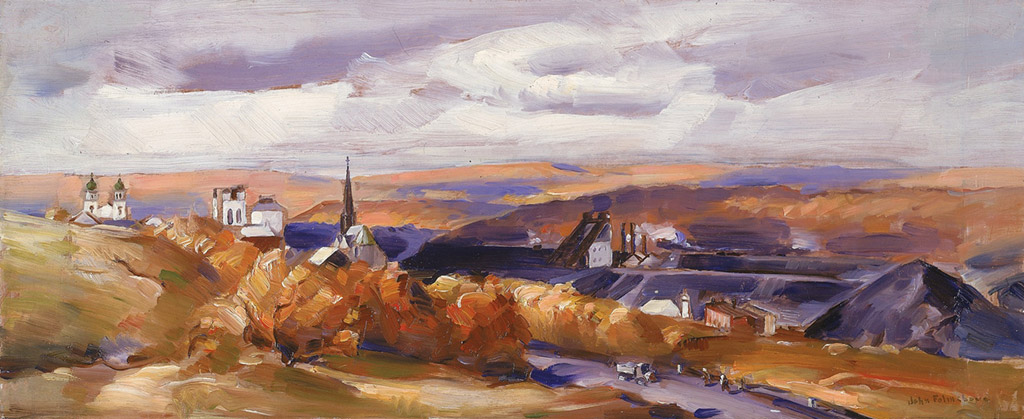
Drifton, Pennsylvania—though a small, unassuming coal-mining town—has long been a cornerstone of baseball in northeastern Pennsylvania. The town’s passion for the sport dates back over a century, when Drifton’s local baseball team captured intercounty championships from 1908 to 1910, showcasing the competitive fire of this hardworking community. The town also produced early professional players like Connie McGeehan, who pitched for the Philadelphia Athletics in 1903, and John “Brode” Shovlin, a resilient ballplayer who continued playing semi professionally even after short stints in the majors.

But perhaps Drifton’s greatest baseball treasure is Drifton Park itself—a facility that became a regional hub for youth and amateur softball throughout the late 20th century. Drifton Park hosted numerous regional and national qualifying tournaments, drawing teams from across the East Coast and earning a reputation for high-level play and well-run events. In a testament to its quality, the U.S. Olympic Softball Team visited Drifton Park twice, in 1998 and again in 2000, playing exhibition games that thrilled local fans and inspired a new generation of athletes. Attendance of these games included The King and His Court and The Queen and her Maids.The Polish National team along with a touring team from Russia have also showcased their skills at Drifton Park. These appearances were a point of pride for the community and positioned Drifton on the national softball map.
Surrounding towns like Hazleton also contributed heavily to the region’s baseball legacy. In the late 19th and early 20th centuries, Hazleton fielded successful teams like the Hazleton Pugilists and later hosted minor league clubs affiliated with the Red Sox and Dodgers. Even Babe Ruth played an exhibition game in Hazleton in 1923. Hazleton also produced Joe Maddon, the World Series-winning manager whose gritty roots in coal country have become a central part of his story.
Nearby Jeddo was home to the Jeddo Stars Athletic Association, formed in 1901. The Jeddo Stars became a powerful team in the Anthracite League, with strong local support and deep ties to family tradition—most notably producing Tommy Matchick, who won a World Series with the Detroit Tigers in 1968.
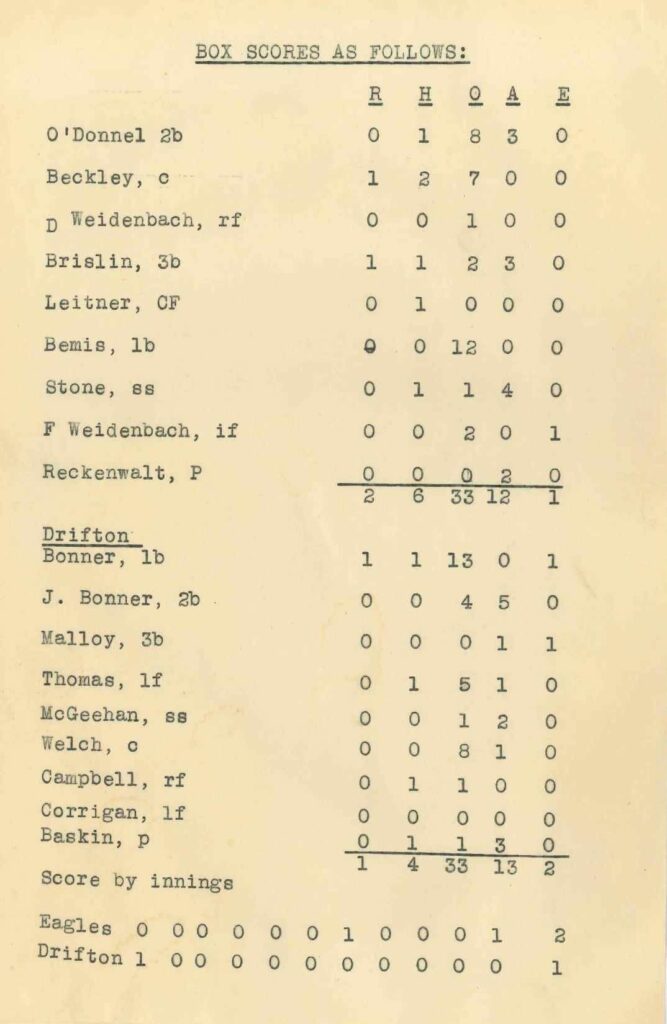
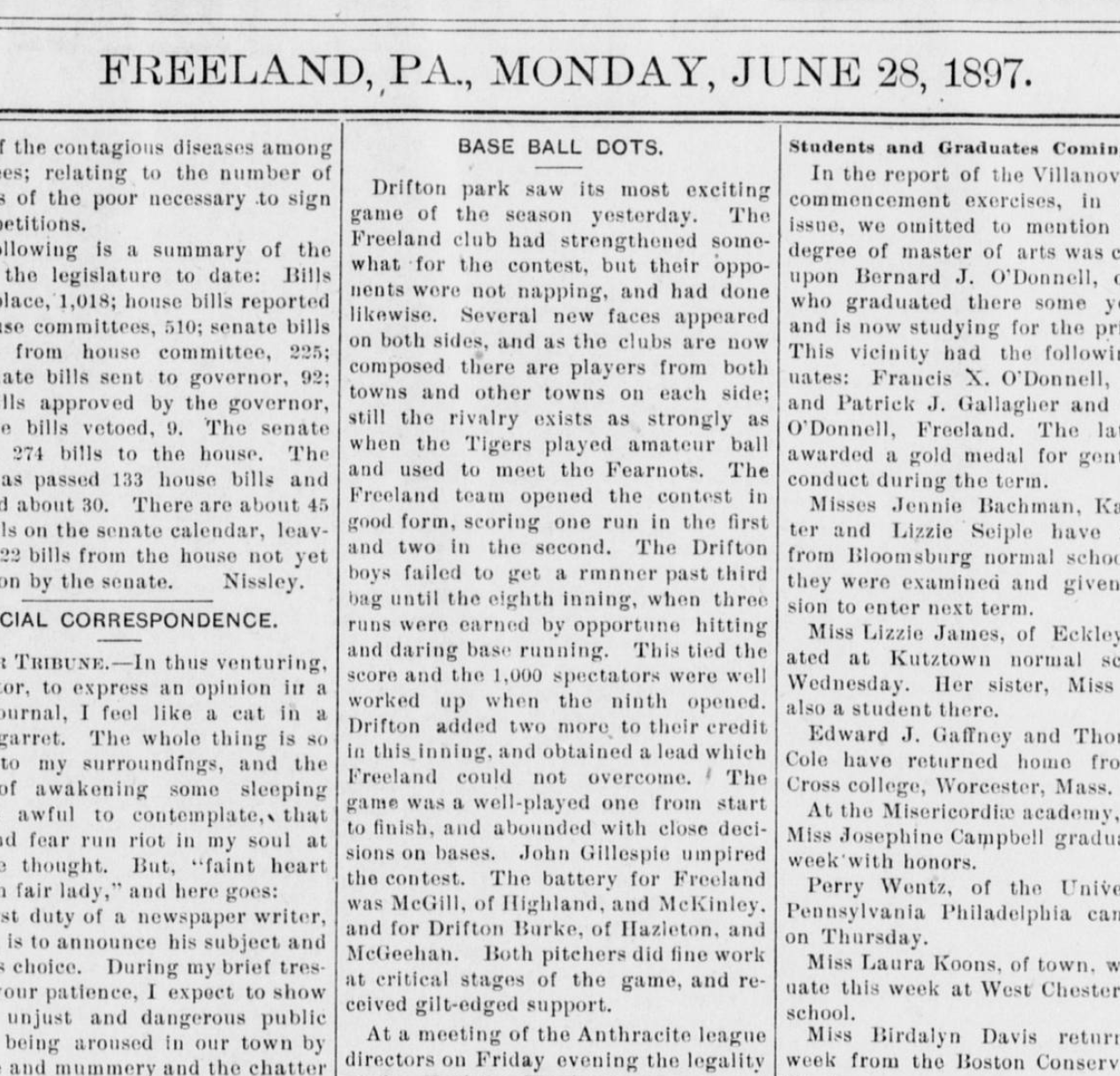
Freeland played its role through the Tigers Athletic Club and the MMI Preparatory School, both of which fostered youth development and organized baseball. The Tigers Club, founded in 1889, promoted community through sport and helped establish a local culture of competition and pride.
And in Wilkes-Barre, baseball blossomed on a professional scale. The Wilkes-Barre Barons, active from the 1880s through 1955, were a minor league powerhouse in the Eastern League and New York–Pennsylvania League. The city hosted famous exhibition games—including one in 1926 featuring Babe Ruth—and built a reputation for developing professional talent.
Together, Drifton and its neighboring coal-region towns form a historically rich baseball corridor. Drifton Park stands proudly at the heart of it all, not just as a relic of past glory, but as a living monument to a region where baseball and softball were never just games—they were a way of life.
